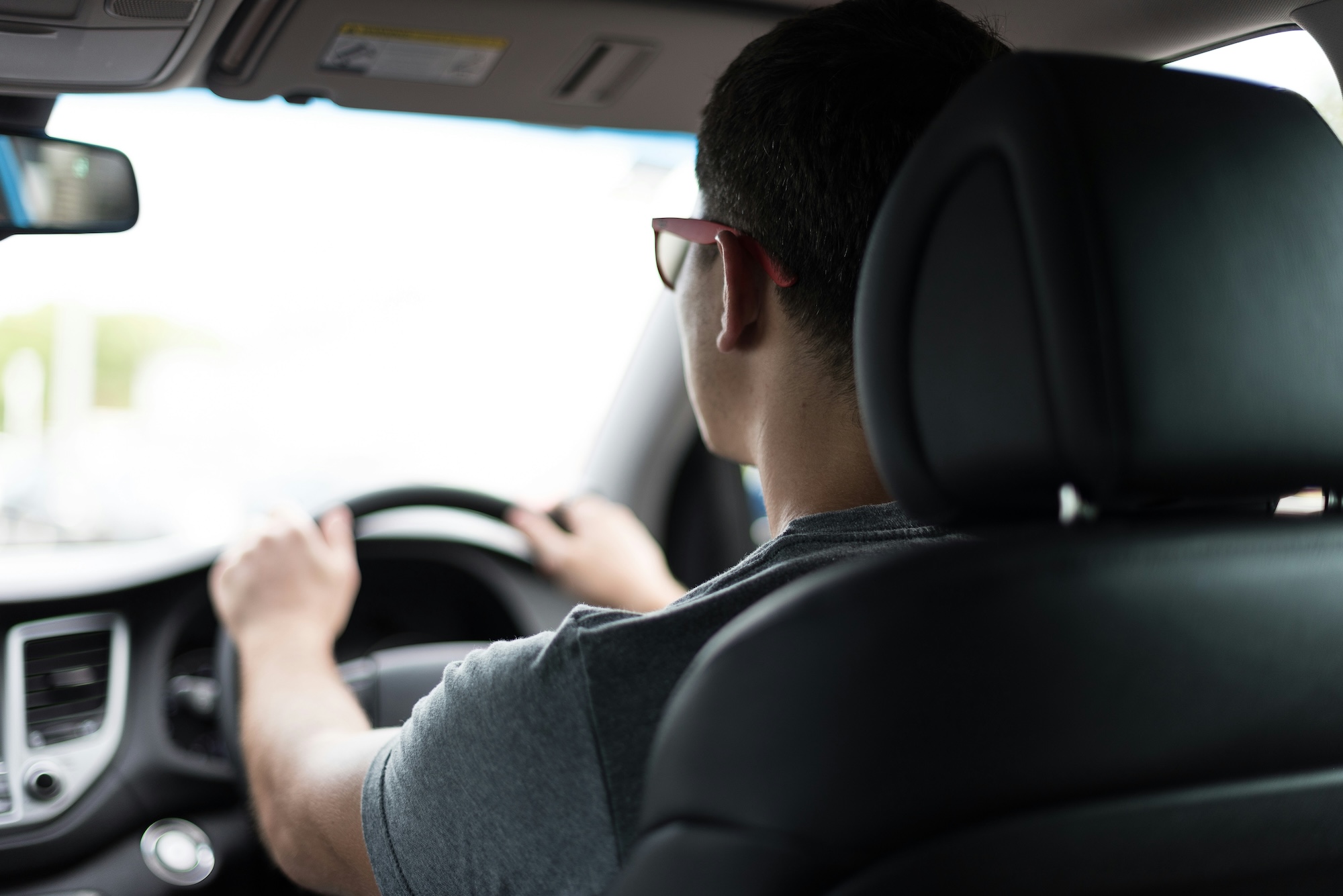
As a driving instructor, your phone is the single most important tool for winning new pupils — but you literally cannot answer it while you’re teaching. You’re behind the wheel (or next to a learner who is), and picking up a call isn’t just unprofessional, it’s dangerous and potentially illegal.
With over 40,000 approved driving instructors (ADIs) in the UK competing for pupils, the ones who handle enquiries professionally and respond quickly are the ones who keep their diaries full. A virtual local number gives you the call handling tools to capture every enquiry — even when you’re in the middle of a three-point turn on a busy high street.
The Lesson Dilemma: You Can’t Answer When It Matters Most
Most businesses miss calls because they’re busy. Driving instructors miss calls because they physically cannot answer. If you’re teaching a pupil, you are supervising a moving vehicle. Taking a phone call is not an option — and rightly so.
The problem is that your busiest teaching hours overlap precisely with when prospective pupils (or their parents) are most likely to call. Mornings, after-school slots, and Saturday mornings are prime lesson times — and also prime enquiry times.
Without a system in place, here’s what happens: the phone rings, you can’t answer, the caller hears an endless ring or a generic voicemail, and they move on to the next instructor in the search results. That single missed call could represent £1,350 to £1,800 in lost revenue — the full value of taking a learner from first lesson to test pass.
A virtual number with voicemail to email changes this completely. When you can’t answer, the caller hears a professional greeting — something like “Thanks for calling [your name] Driving School. I’m currently in a lesson but I’ll call you back within the hour.” The voicemail is emailed to you as an audio file, so between lessons you can quickly listen and call back. The caller feels reassured rather than ignored.
Why Parents Need to Trust You Before Their Child Gets in Your Car
Here’s something that makes driving instruction different from most service businesses: a significant proportion of your customers are not the people you’re actually teaching. Parents frequently choose and pay for their teenage children’s driving lessons. They are making a decision that involves handing their 17-year-old over to a stranger in a car.
Trust is not a nice-to-have — it’s the deciding factor. And that trust begins with the very first phone call.
| What a Parent Sees | Their Likely Reaction |
|---|---|
| Local landline number (e.g. 0113 for Leeds) | Looks like an established local business. Feels safe and professional. More likely to call. |
| 07xxx mobile number | Could be anyone. Less confidence in legitimacy. May hesitate before calling. |
| No answer, generic voicemail | Immediate doubt. Moves on to next instructor who answers or has a professional setup. |
| No answer, professional greeting with callback promise | Understands the instructor is teaching. Leaves a message and waits for a callback. |
A local landline number on your website, Google listing, and car signage signals that you’re an established, legitimate driving school — not someone who started last week with a dual-control car and a Pay As You Go SIM. For parents making this decision, that distinction matters enormously.
How Smart Call Handling Captures Every Enquiry
The average learner driver takes around 45 hours of professional lessons at £30–£40 per hour. That means every enquiry you capture and convert is worth £1,350 to £1,800 to your business. Losing even one or two enquiries a month to missed calls adds up to thousands of pounds over a year.
Here’s how virtual number features work together to make sure you never lose an enquiry:
-
Voicemail to email Missed calls go to a professional voicemail, and the message is emailed to you immediately. Between lessons, check your inbox, listen to the message, and call back. Most instructors have natural gaps between pupils — use these to return calls promptly.
-
Call forwarding If you have a partner, family member, or office assistant who handles bookings, forward calls to them when you’re teaching. The caller speaks to a real person who can check your diary and book them in immediately. No missed opportunities.
-
Call whisper When you do answer between lessons, call whisper plays a brief message telling you the call is coming through your business number. You know to answer with “Good morning, [name] Driving School” rather than a casual “hello” — making the right first impression every time.
-
Call history See every call that came in, whether you answered it or not. At the end of each teaching day, review your call log and return any missed calls. No enquiry slips through the cracks.
Research consistently shows that speed of response is the biggest factor in winning enquiries. If you call back within 30 minutes of a missed call, you’re far more likely to book that pupil than if you wait until the evening. Use the gaps between lessons to check voicemails and return calls immediately.
Protecting Your Evenings and Weekends
Driving instructors often work unsociable hours — early mornings, evenings, and weekends are popular lesson times. When your personal mobile is also your business number, you never truly switch off. Enquiry calls come in at 9pm, text messages arrive on Sunday mornings, and your phone never stops being a work phone.
A virtual number with time-of-day routing gives you clean boundaries:
Teaching Hours (e.g. 8am–6pm)
Calls ring your mobile. If you’re between lessons, you answer. If you’re teaching, calls go to voicemail with a professional greeting explaining you’re in a lesson.
Evenings and Weekends
Calls go straight to voicemail with a different greeting: “Thanks for calling. Our office hours are Monday to Saturday, 8am to 6pm. Please leave a message and we’ll get back to you on the next working day.” You review messages when you’re ready.
Holidays
Update your greeting to let callers know you’re away and when you’ll return. If you have a colleague who covers, forward calls to them automatically.
This separation is crucial for avoiding burnout. Driving instruction is mentally demanding — you’re constantly alert, managing risk, and teaching simultaneously. You need proper downtime, and that means being able to switch off your business phone without missing genuine opportunities. For more on this, see our guide on how freelancers can separate personal and business calls.
Franchise vs Independent: Standing Out on Your Own
The UK driving instruction market is split between franchise instructors (working under brands like AA, RED, and BSM) and independent instructors. Each faces different challenges when it comes to phone numbers and professional image.
| Factor | Franchise Instructor | Independent Instructor |
|---|---|---|
| Brand recognition | Backed by a national brand that provides instant credibility | Must build their own reputation from scratch |
| Phone number | Enquiries often come through the franchise’s central booking system | All enquiries come directly to the instructor’s personal number |
| Marketing | National advertising drives leads | Relies on local reputation, word-of-mouth, and their own marketing |
| Professional image | Provided by the franchise brand | Must be created independently — every detail matters |
For independent instructors, a local business number is one of the simplest ways to level the playing field. It gives you the same professional appearance as a franchise operation without the franchise fees (which can run to £200+ per week). Your website, Google listing, and advertising all show a proper local business number rather than a mobile — signalling to potential pupils and parents that you’re an established, professional outfit.
If you take on additional instructors as your school grows, a virtual number makes the transition seamless. Calls to your business number can be forwarded to multiple instructors or to a central booking coordinator. Your pupils and advertising don’t need to change — the same number works whether you’re a sole instructor or a team of five.
Why a Local Number Builds Your Reputation
Driving instruction is an inherently local business. Your pupils live and learn in a specific area. They search for “driving lessons near me” or “driving instructor in [town]” and want someone who knows the local test routes, the tricky roundabouts, and the roads the examiner favours.
A local area code reinforces that you’re genuinely local. When someone in Nottingham sees a 0115 number, they immediately associate it with a Nottingham-based business. A mobile number gives no geographic signal at all.
This matters because customers consistently prefer calling local business numbers. Research shows that consumers are significantly more likely to call a number with a recognisable local area code than a mobile number — and for a service like driving instruction, where local knowledge is a genuine selling point, that preference is even stronger.
Your local number also helps with online visibility. Consistent NAP (Name, Address, Phone) information across your website, Google Business Profile, and directory listings is a factor in local search rankings. A stable local number that appears everywhere strengthens your local SEO — something that changes every time you switch mobile providers.
Your Car Is a Billboard — Make the Number Count
Every driving instructor’s car is a mobile advertisement. The roof sign and door magnets are seen by thousands of people every week as you drive around your local area. Your phone number is the single most important piece of information on that signage.
A local landline number on your car signage has two advantages over a mobile number:
-
Easier to remember People in your area already know the local dialling code. Those first four or five digits are automatic — they only need to memorise the rest. A mobile number requires memorising all 11 unfamiliar digits.
-
More trustworthy A local number on a professionally signed car says “established local driving school.” It matches the professional image you’re projecting with your branded vehicle, uniform, and dual controls.
Consider using a different virtual number on your car signage than on your website. When that number rings, you know the enquiry came from someone who saw your car. Over a few months, you’ll know exactly how effective your roof sign and door magnets are — valuable data when it’s time to decide whether to invest in new signage.
What It Actually Costs
Driving instructors are acutely aware of their costs. Fuel, insurance, car payments, and franchise fees (if applicable) all eat into margins. So does a virtual number make financial sense?
| Item | Typical Cost |
|---|---|
| Virtual local number | From £4.95/month with Virtually Local |
| One driving lesson | £30–£40 |
| Revenue from one full pupil | £1,350–£1,800 (45 hours) |
| Annual cost of virtual number | Less than £60/year — the equivalent of two lessons |
If your virtual number and its call handling features help you capture just one additional pupil per year that you would otherwise have lost to a missed call, it has paid for itself more than twenty times over. In reality, professional call handling likely captures several extra enquiries per month — making the return on investment substantial.
Getting Started in Minutes
Setting up a virtual local number for your driving school is straightforward and takes just a few minutes:
Choose Your Local Area Code
Pick the area code for the town or city where you teach. If you cover multiple areas, you can add additional numbers later. Your number is ready to use immediately.
Set Up Call Handling
Configure call forwarding to your mobile, set up voicemail to email, and record a professional greeting that tells callers you’re in a lesson and will call back. Use time-of-day routing to manage out-of-hours calls.
Update Your Marketing
Put your new local number on your website, Google Business Profile, car signage, business cards, and any directory listings. Consistency is key — use the same number everywhere.
Manage Everything From Your Phone
Use the Virtually Local app or the online dashboard to manage your settings, check call history, and listen to voicemails — all between lessons from your smartphone.
The Bottom Line
Driving instruction is one of the few professions where you genuinely cannot answer the phone during your core working hours. That makes call handling more important for driving instructors than for almost any other small business.
A virtual local number solves the two biggest challenges you face: capturing enquiries when you’re teaching, and projecting a professional, trustworthy image to parents and pupils who are choosing between you and the competition. With voicemail to email, call forwarding, time-of-day routing, and call whisper, you get a complete business phone system that works around your teaching schedule — not against it.
Every missed call is a potential £1,800 pupil lost to a competitor. A virtual local number from Virtually Local costs from just £4.95 per month — less than the price of a single driving lesson — and gives you the professional call handling you need to keep your diary full. Get started today.
Ready to Get Your Local Business Number?
Choose from hundreds of UK area codes and start receiving calls in minutes.
Browse Area Codes